Home › Tang Dynasty Hanfu Style
Tang Dynasty Hanfu Style: Dramatic, Bold, and Unforgettable
The Tang Dynasty Hanfu style is the most photographed, most dramatic, and most internationally recognized form of Chinese traditional clothing. With its high-waisted skirts, jewel-tone silks, translucent outer robes, and the widest sleeves in Hanfu history, the Tang look is designed to make an entrance.
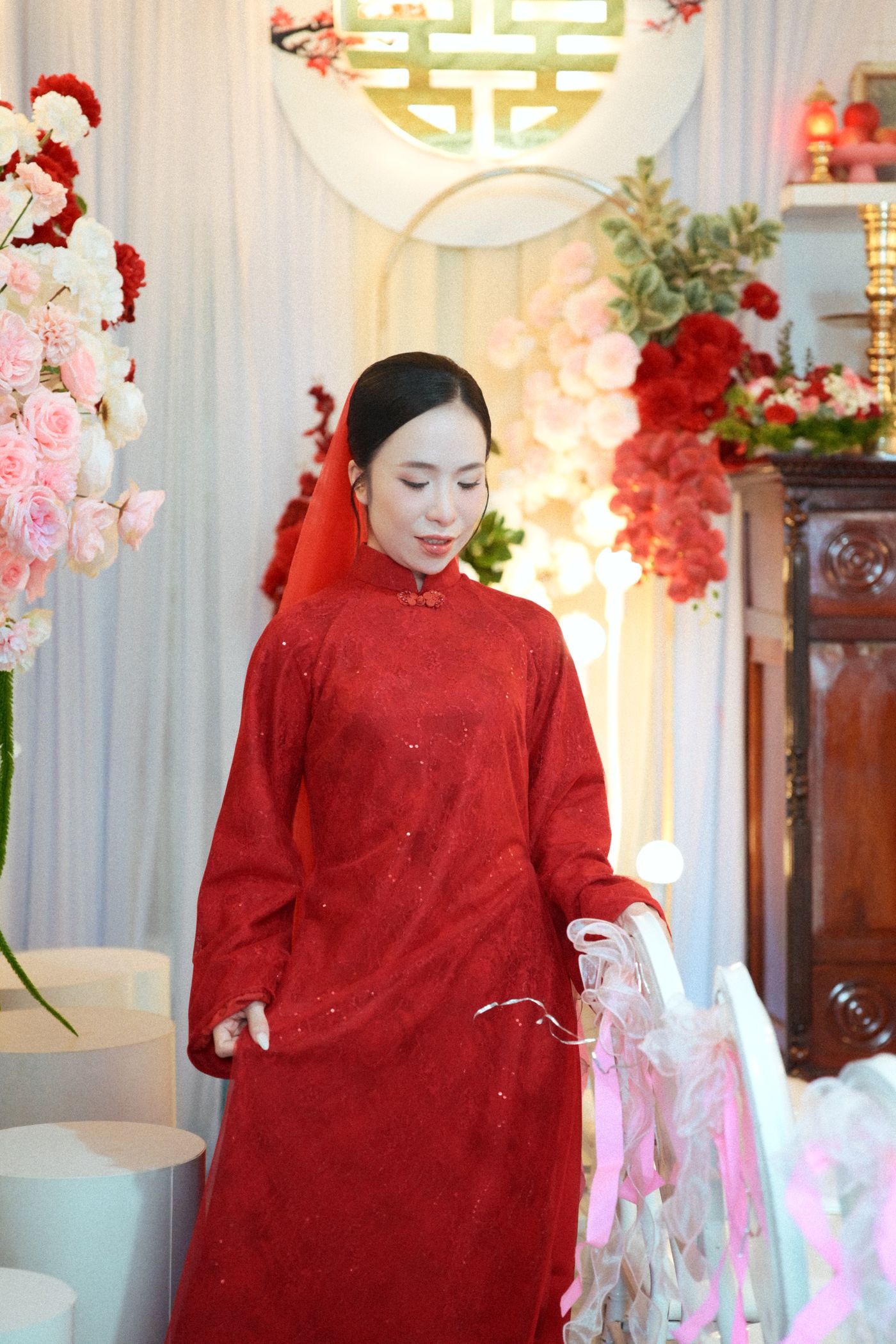
The Look
High-waisted, wide-sleeved, wrapped in jewel tones.
This is what defines Tang Hanfu: a ruqun tied above the bust, translucent layering, and sleeves designed to move with you. Bold color is not optional.
What Defines the Tang Hanfu Look
- High-waisted silhouette: Skirts tied above the bust, sometimes directly under the arms, creating an elongated, statuesque proportion.
- Bold colors: Crimson, gold, emerald, sapphire, and purple. Tang Hanfu does not whisper.
- Wide sleeves: Sleeve cuffs 60--90 cm wide, made from lightweight silk gauze that billows with every movement.
- Translucent layering: The daxiu shan outer robe in semi-sheer silk adds ethereal depth -- the inner garment shows through.
- Silk brocade: Rich woven patterns with floral, phoenix, and Persian-inspired motifs.
- Gold embroidery: Tang artisans used gold-wrapped thread liberally, especially on formal and bridal garments.
Tang Dynasty Color Guide: What Each Hue Means
Tang Dynasty colors were not just aesthetic choices — they carried deep cultural symbolism. Understanding the meaning helps you choose the right Tang Hanfu for the right occasion:
| Color | Meaning | Best For |
|---|---|---|
| Red (hong) | Joy, celebration, prosperity, good fortune | Weddings, New Year, festivals |
| Gold (jin) | Imperial power, wealth, divine connection | Formal occasions, bridal accents |
| Purple (zi) | Nobility, dignity, spiritual wisdom | Formal ceremonies, scholarly events |
| Green (lu) | Spring, renewal, harmony with nature | Garden photoshoots, outdoor events |
| Blue (lan) | Heaven, tranquility, scholarly refinement | Cultural events, tea ceremonies |
| Yellow (huang) | Imperial exclusivity — reserved for the Emperor | Photoshoots (avoid for formal occasions) |
Pro tip: The most iconic Tang color combination is red ruqun with a gold-embroidered daxiu shan. For a subtler look, try deep blue with silver accents.
Tang Hanfu Fabrics: What to Look For
The Tang Dynasty was the golden age of the Silk Road, and Tang-era fabrics reflect this cosmopolitan wealth. Here is a guide to understanding Tang Hanfu fabrics — what was used historically, and what works today:
- Silk gauze (sha): The signature Tang fabric — ultra-light, semi-transparent, and ethereally floaty. Used for daxiu shan outer robes and pibo shawls. Modern equivalents: crepe de chine, habotai silk.
- Silk brocade (jin): Thick, richly woven silk with raised patterns. Used for formal skirts and decorative bodice panels. Heavier and more structured than gauze. Look for polyester brocade as a budget alternative.
- Silk twill (ling): Medium-weight silk with a subtle diagonal weave. Used for ru tops and inner layers. Soft, drapes well, and comfortable against the skin.
- Ramie (zhu ma): A plant-based fiber similar to linen, historically used for summer-weight Tang clothing. Breathes better than silk in hot weather. Modern Zhuang brocade blends are a good contemporary option.
Who Is Tang Hanfu Best For?
Tang Hanfu suits anyone who wants to feel bold, glamorous, and celebratory. It is the go-to choice for:
- Photoshoots: The wide sleeves, flowing skirts, and translucent layers create the most dramatic Hanfu photos of any dynasty.
- Festivals and celebrations: Lantern Festival, Chinese New Year, Mid-Autumn Festival -- Tang Hanfu matches the festive energy.
- Confident personalities: If you want to be noticed and make a statement, Tang delivers.
- Tall frames: The high-waisted, vertically elongated silhouette is particularly flattering on taller individuals.
- Curvy body types: The loose, flowing construction is naturally forgiving and the high waist creates an hourglass effect without constriction.
Key Tang Hanfu Garments You Need
Qixiong Ruqun Set
The core duo: a short cross-collar top (ru) and a long, high-waisted skirt (qun). This is your foundation piece. Buy this first.
Daxiu Shan (Wide-Sleeve Robe)
The translucent outer robe that transforms the ruqun into the full Tang look. Choose a contrasting or complementary color to your ruqun for maximum visual depth.
Pibo (Silk Shawl)
A long, narrow silk scarf draped over the arms and trailing behind. Adds movement, softness, and the classic Tang "flying celestial" aesthetic.
Gold Hairpins & Buyao
Tang hairstyles are elaborate high updos pinned with ornate gold hairpins and dangling buyao ornaments. The accessories complete the look.
How to Put Together a Tang Hanfu Outfit
Getting dressed in Tang Hanfu is simpler than it looks. Follow this sequence for the best result:
- Start with the inner ru top: Put on the cross-collar top first. Always wrap right side over left — the opposite direction is for funerary rites in Chinese tradition.
- Tie the high-waisted qun skirt: Pull the skirt up to just below your bust and secure the ties firmly. The waistband should sit at your natural ribcage, creating that signature long-legged proportion.
- Layer the daxiu shan: Drape the wide-sleeve outer robe over your shoulders. Do not close it — Tang style deliberately leaves the front open so the ruqun underneath is visible.
- Add the pibo shawl: Loop the silk scarf over both forearms so it drapes behind you. Adjust until both sides trail evenly. In motion, this creates the "flying celestial" (feitian) effect that defines the Tang look.
- Finish with accessories: Add gold hairpins, clip-on earrings (pierced ears were not universal in the Tang era), and embroidered flat shoes. A round silk fan (tuanshan) completes the ensemble and gives your hands something elegant to do in photos.
How Much Does Tang Hanfu Cost?
| Level | What You Get | Price (USD) |
|---|---|---|
| Entry | Basic ruqun set in polyester/cotton blend, minimal embroidery | $50 -- $100 |
| Mid-Range | Silk-blend ruqun with daxiu shan outer robe, moderate embroidery | $120 -- $300 |
| Premium | Full silk set including ruqun, daxiu shan, and pibo, gold-thread embroidery | $350 -- $800 |
| Wedding/Luxury | Custom-made bridal Tang set with hand-embroidered gold thread | $800 -- $2,500+ |
Recommended Sellers for Tang Hanfu
- Hanfu Story ($60--$250): Best mid-range option with consistent quality and international shipping. Their Tang collection includes complete ruqun + daxiu shan sets with good color accuracy. Ships to US, UK, EU, and Australia.
- Nuwa Hanfu ($300--$2,000+): Premium custom-made Tang sets with genuine silk and hand-embroidery. Specializes in Tang bridal and formalwear. Expect 4--8 week production time for custom orders.
- Taobao -- Shisanyu ($80--$400): One of the most popular Hanfu brands in China, known for beautiful Tang-style designs with vibrant color options and modernized silhouettes. Use a Taobao agent like Superbuy for international shipping.
- Taobao -- Huajianji ($50--$200): Excellent mid-range Tang ruqun with good fabric quality and accurate historical details. Their cotton-silk blends are particularly comfortable for all-day wear at festivals.
- NewMoonDance ($40--$180): Budget-friendly entry point with surprisingly good quality for the price. Best for your first Tang set before investing in premium pieces. Ships internationally from their Etsy store.
Want to Experience Tang Culture in Person?
Read our complete travel guide covering the best cities (Xi'an, Dunhuang, Luoyang), photo spots, rental shops, transportation, hotels, and local food for an immersive Tang Dynasty experience.