Hanfu Dresses — The Complete Guide
Flowing robes, 3,000 years, & one unforgettable look. Everything about traditional Chinese Hanfu — the visual way.
Curated and fact-checked by the Hanfu Dress Guide Editorial Team · Last updated
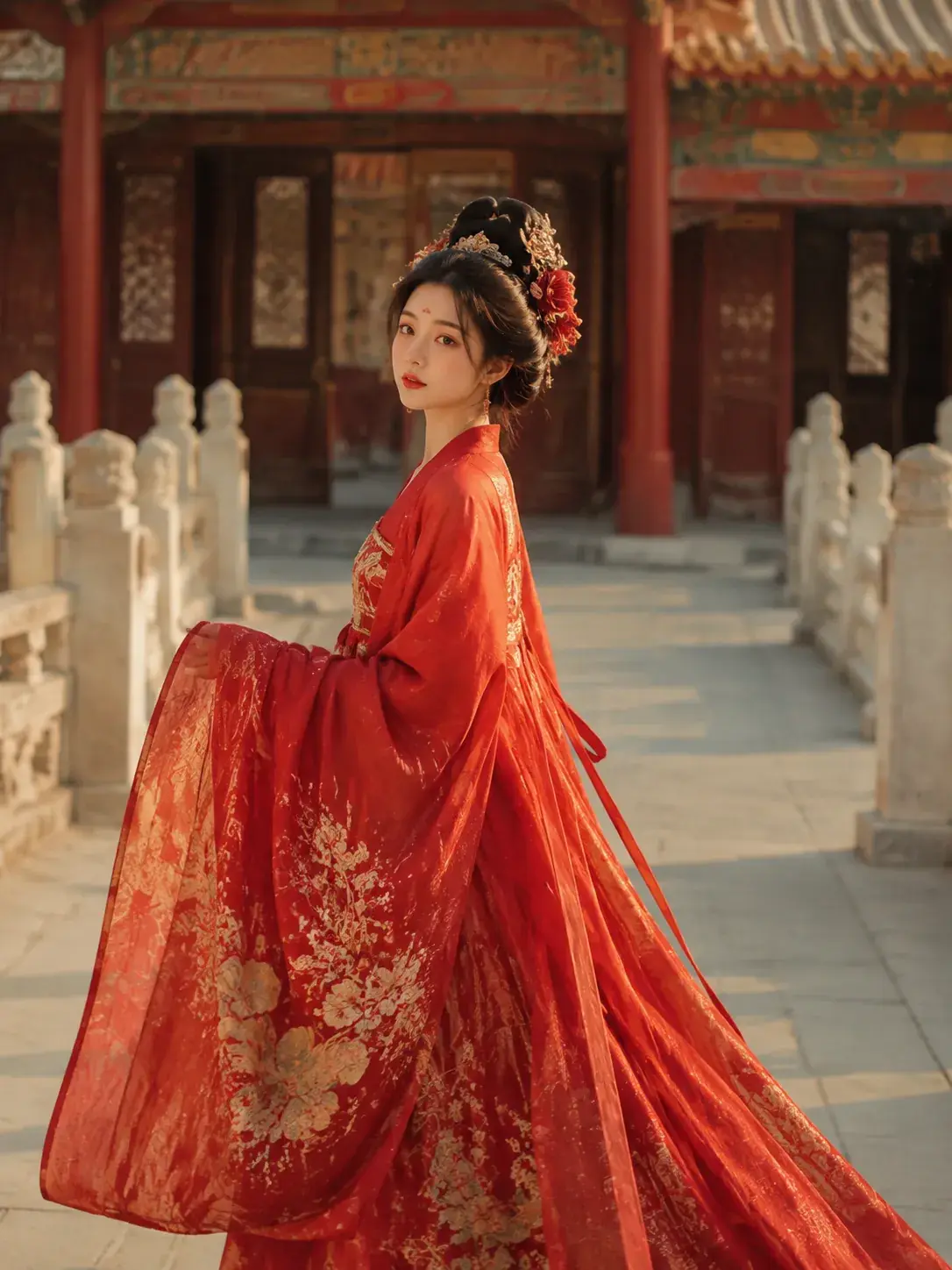
“The Middle Kingdom has the grandeur of rites and etiquette, hence it is called Xia; it has the beauty of robes and garments, hence it is called Hua.”
“中国有礼仪之大,故称夏;有服章之美,谓之华。”
“Were it not for Guan Zhong, we would be wearing our hair unbound and folding our robes to the left.”
“微管仲,吾其被发左衽矣。”
Explore Hanfu Styles
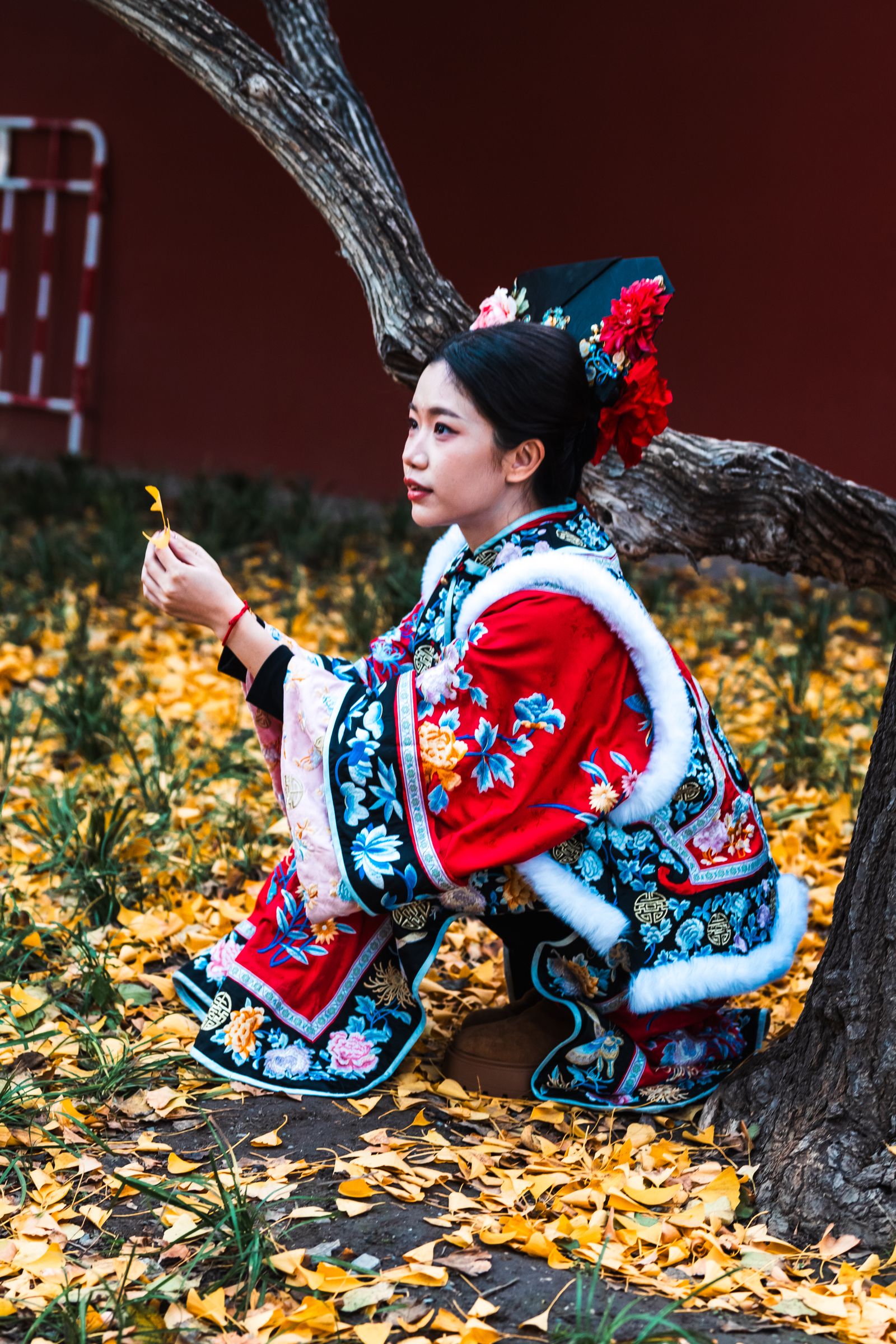
8 styles. One fabric world.
Dynasty classics, modern everyday wear, and wedding robes. Tap a style to see it up close.
Which Hanfu Style Is Right for You?
Answer 3 quick questions to find your perfect match.
Hanfu by Dynasty
Four eras. Four looks. Tap a dynasty.
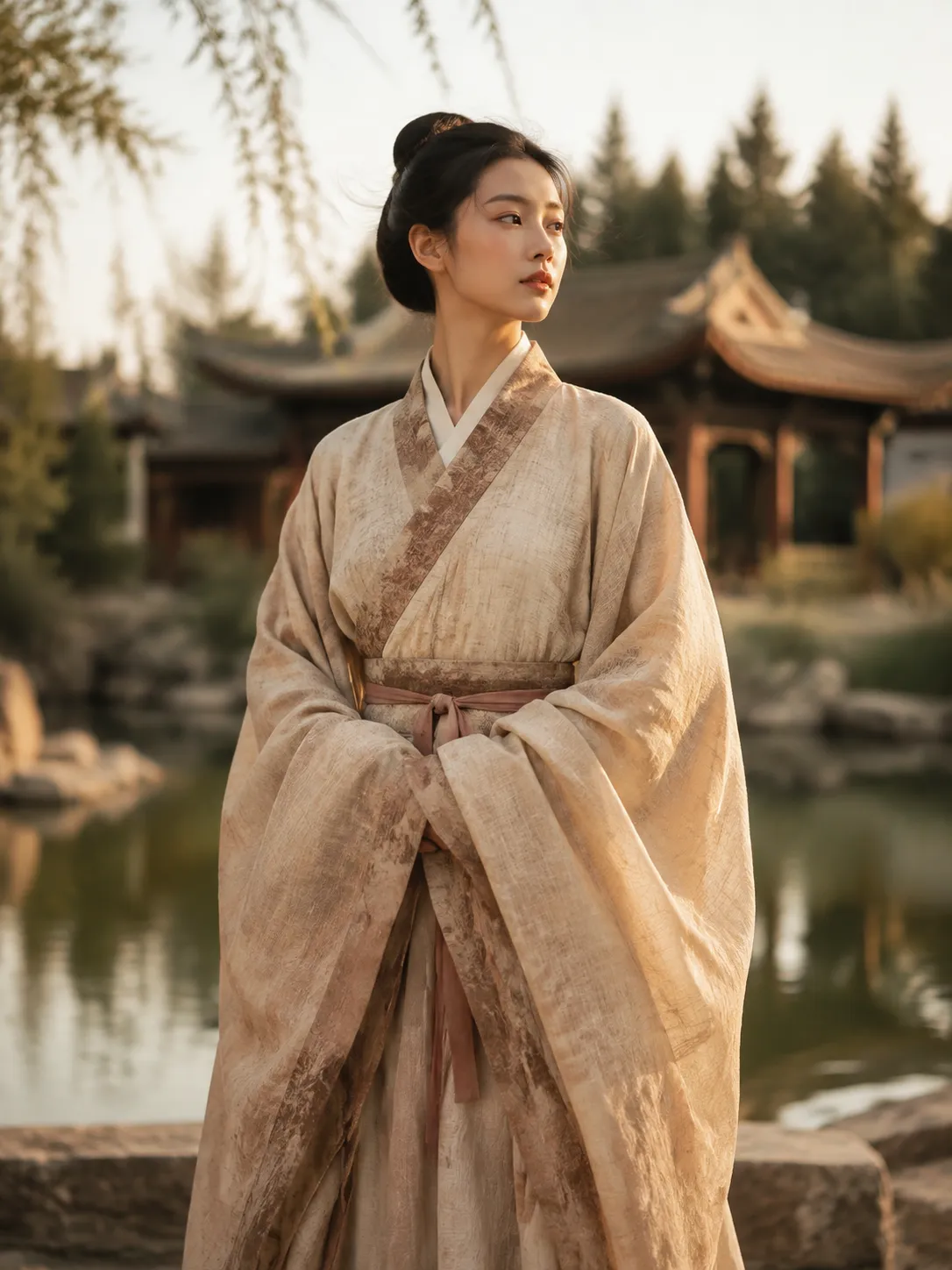
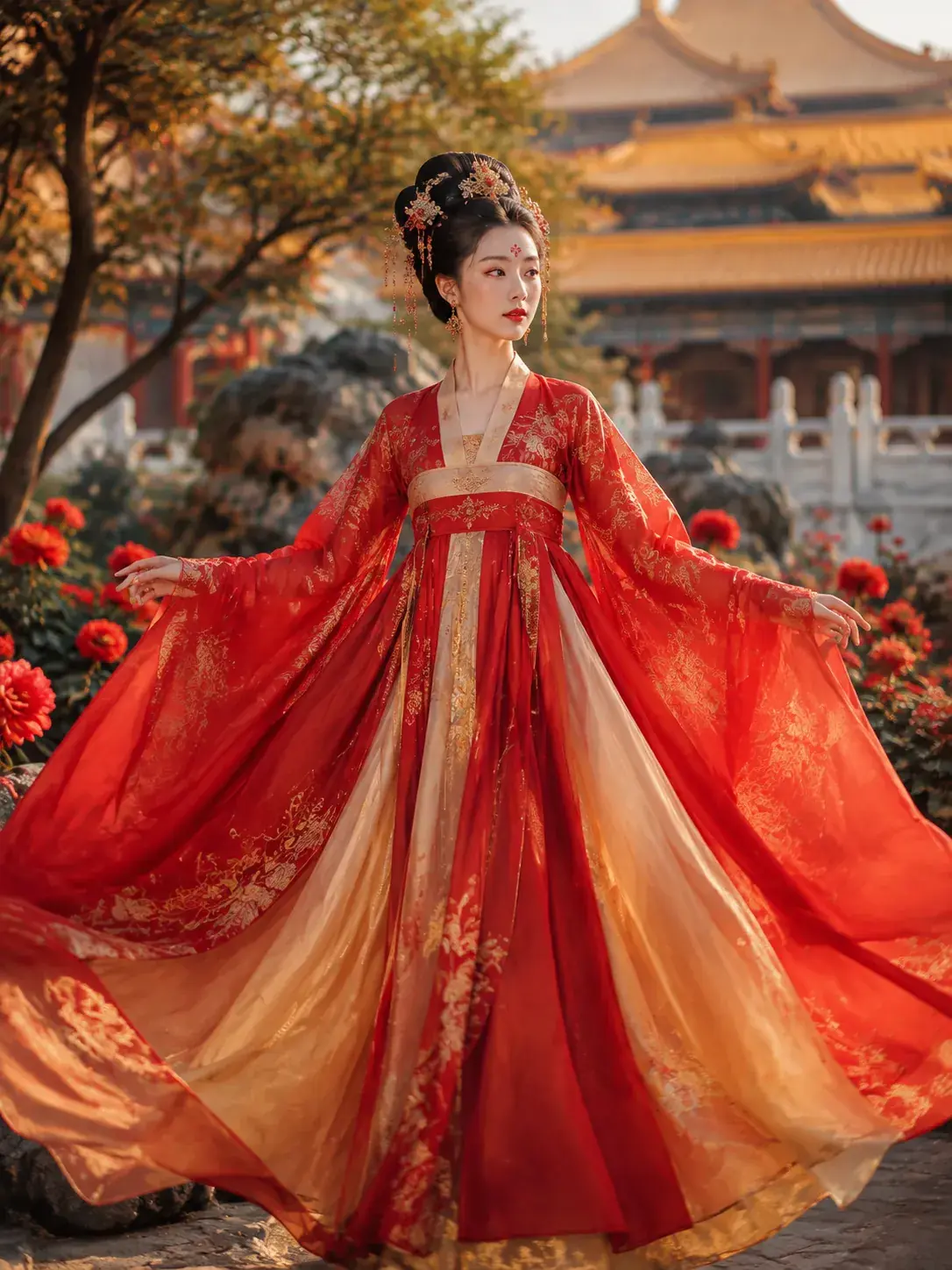
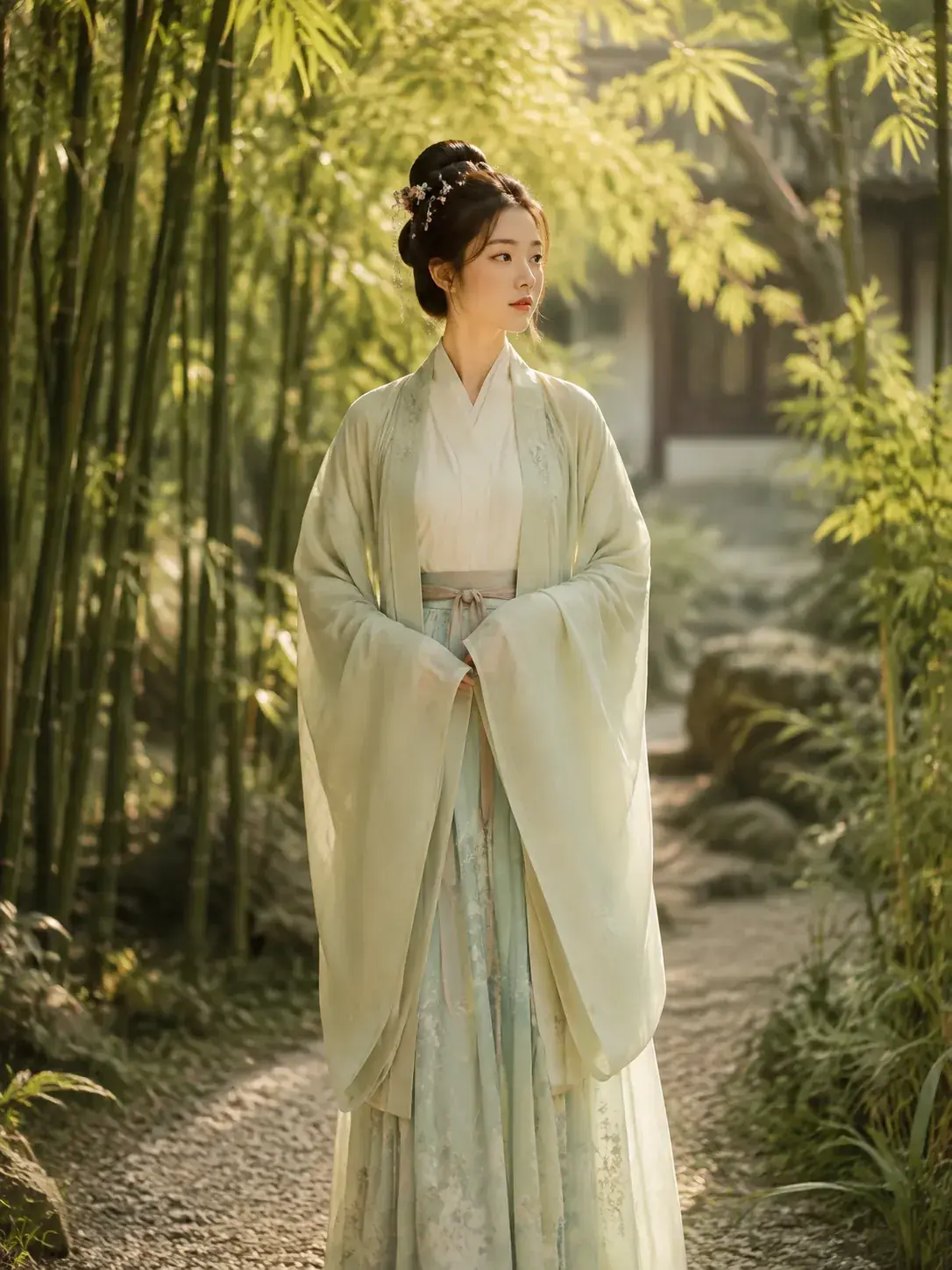
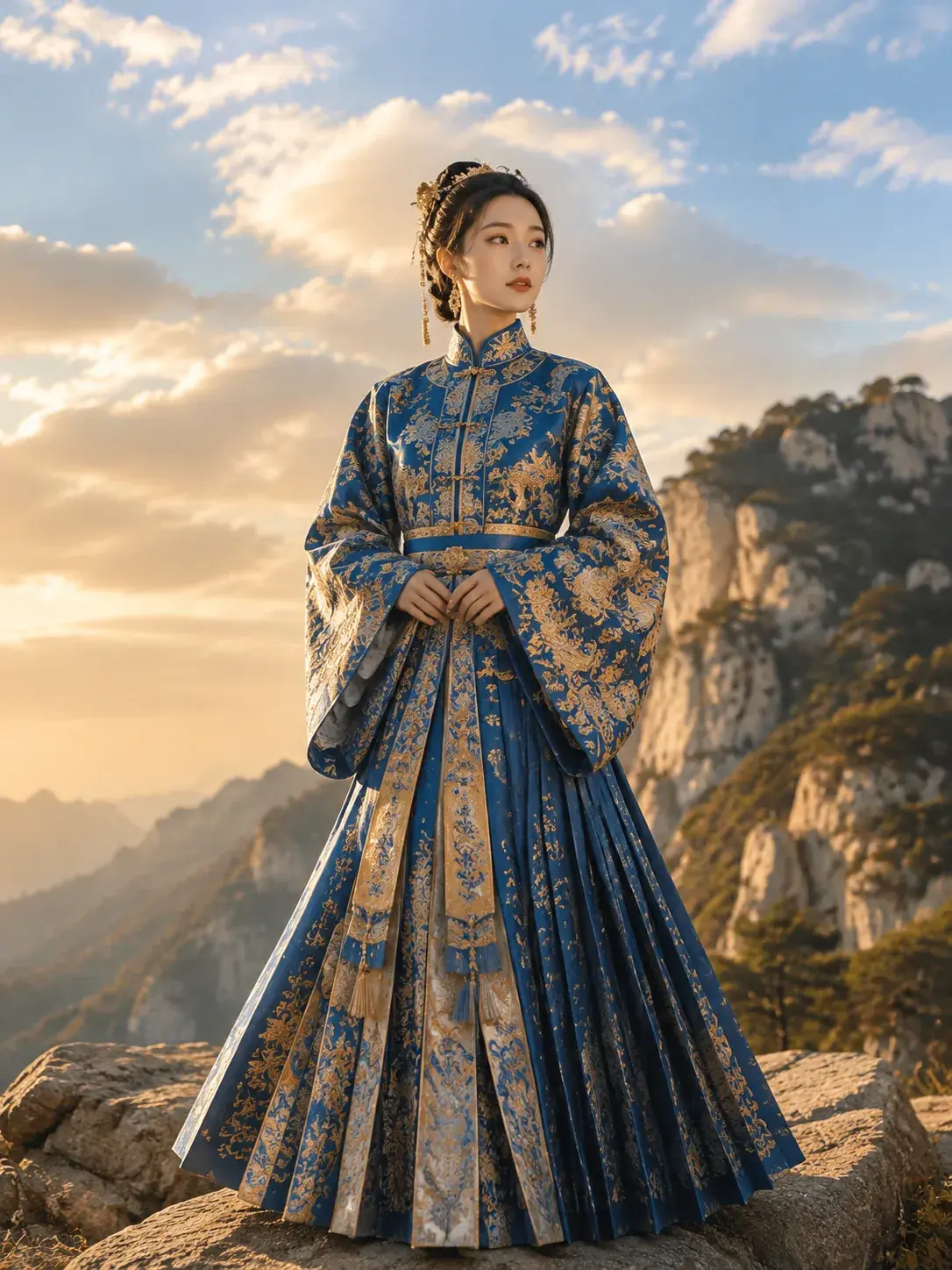
Hanfu Outfit Inspiration
From casual daily wear to formal ceremonies and editorial photography.
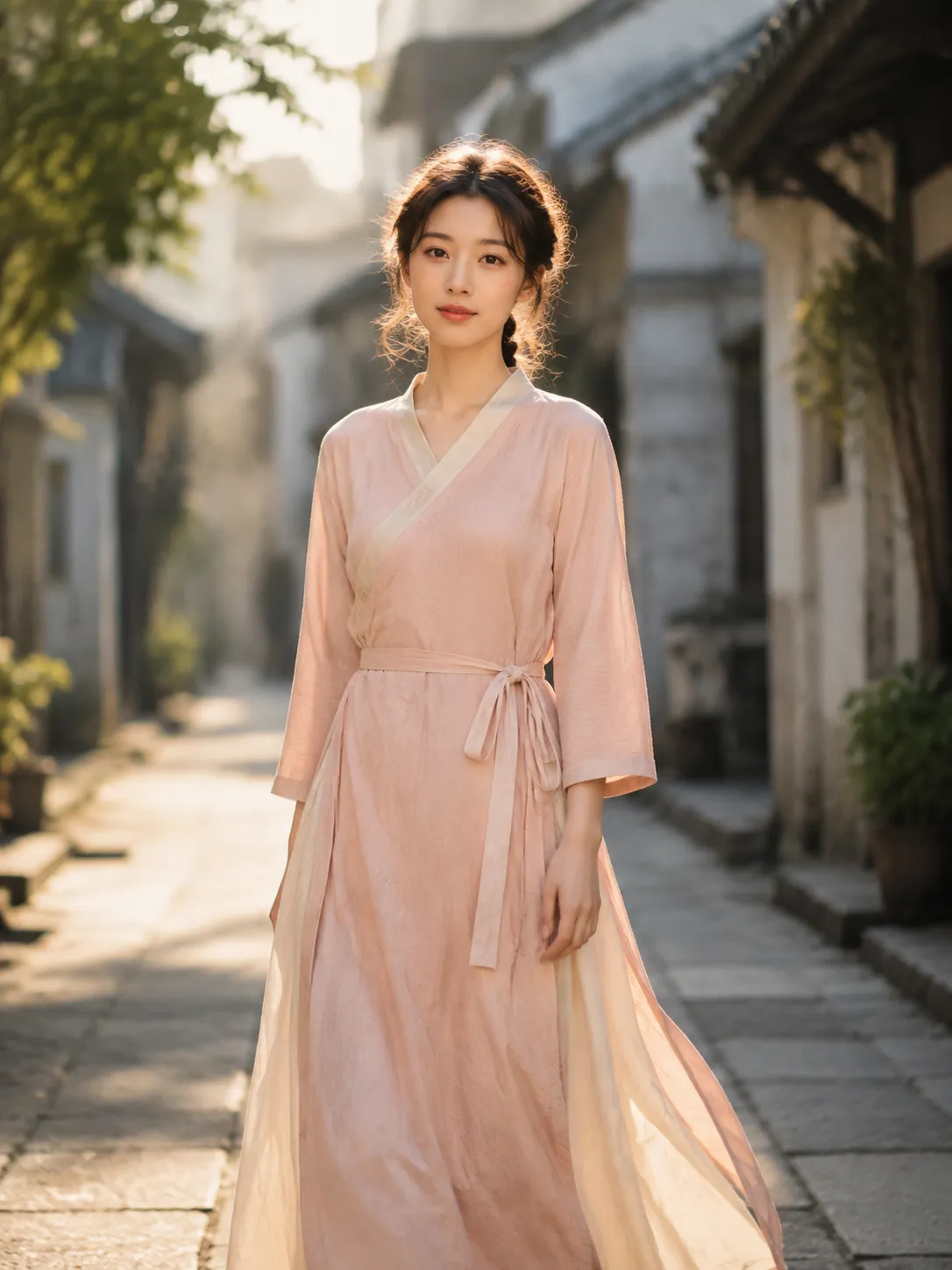 Daily Hanfu
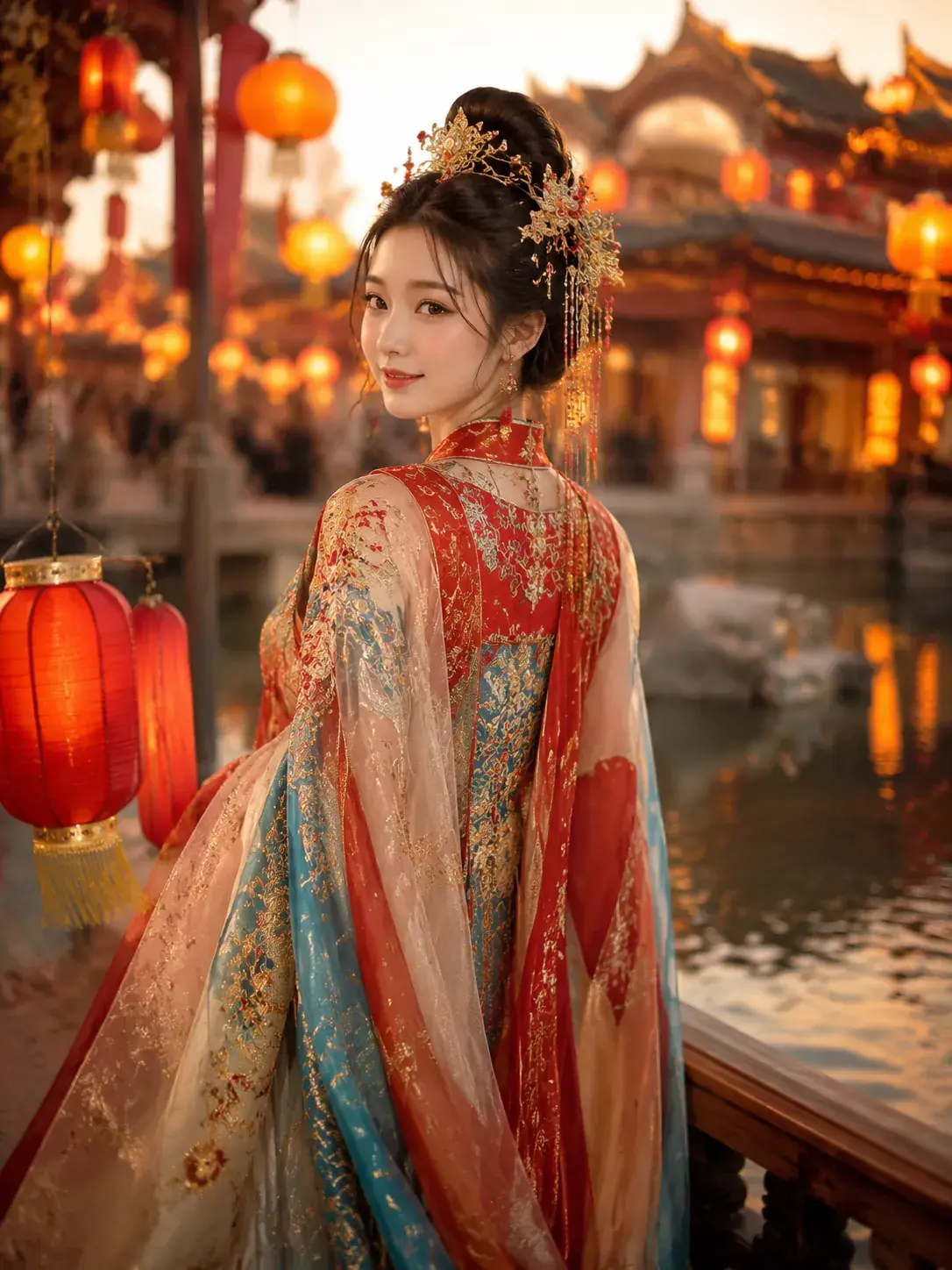 Festival
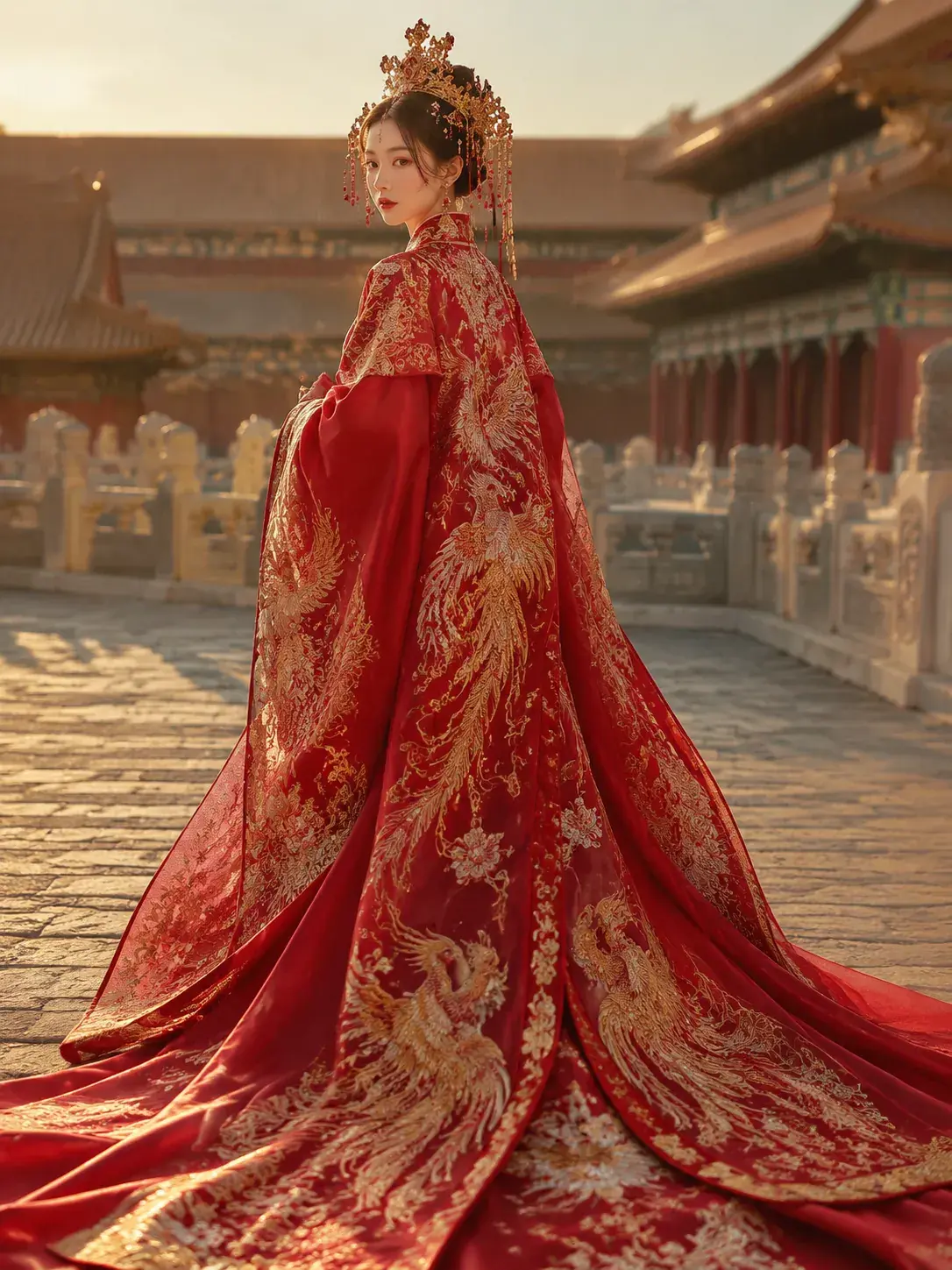 Wedding
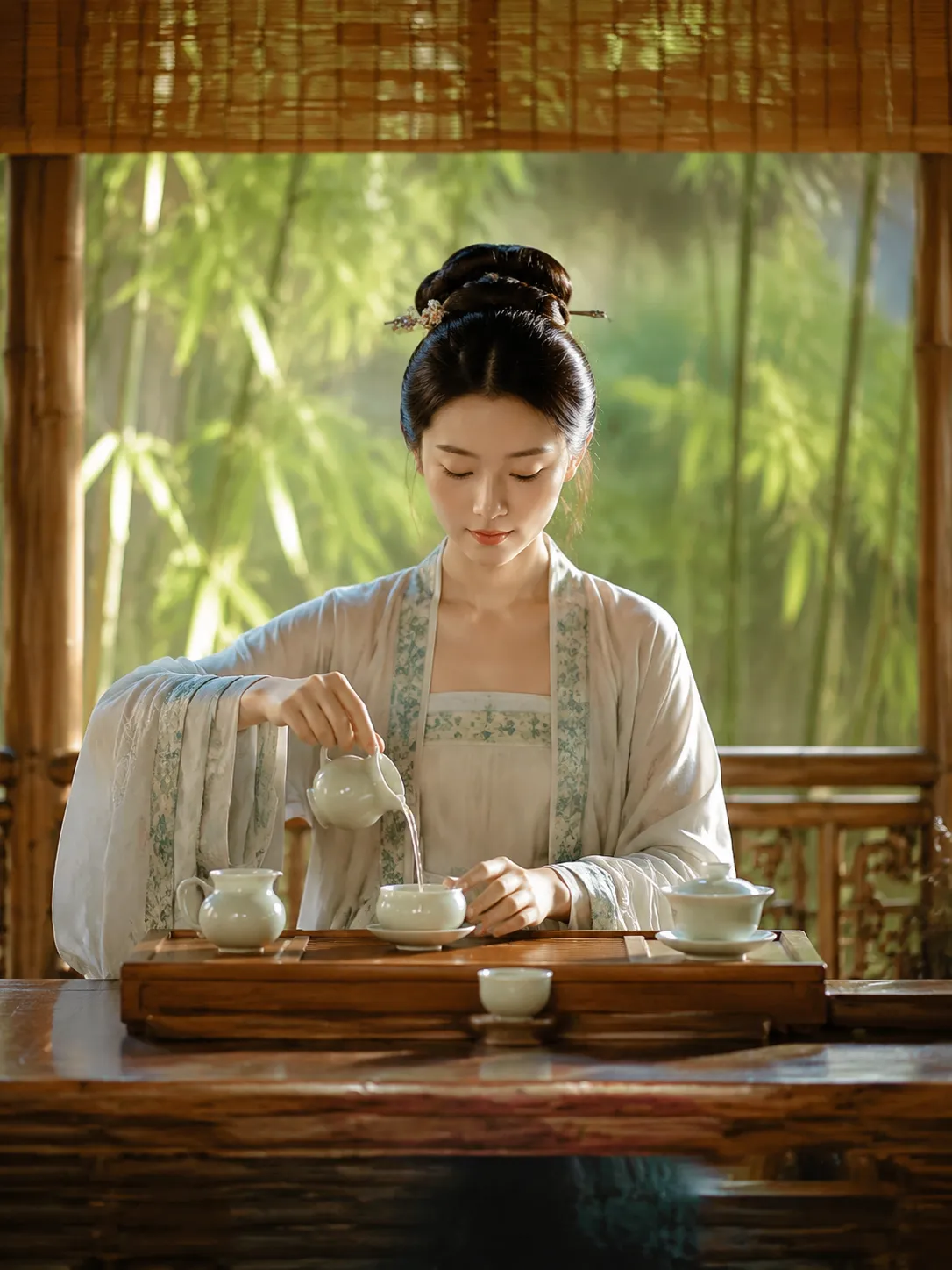 Tea Ceremony
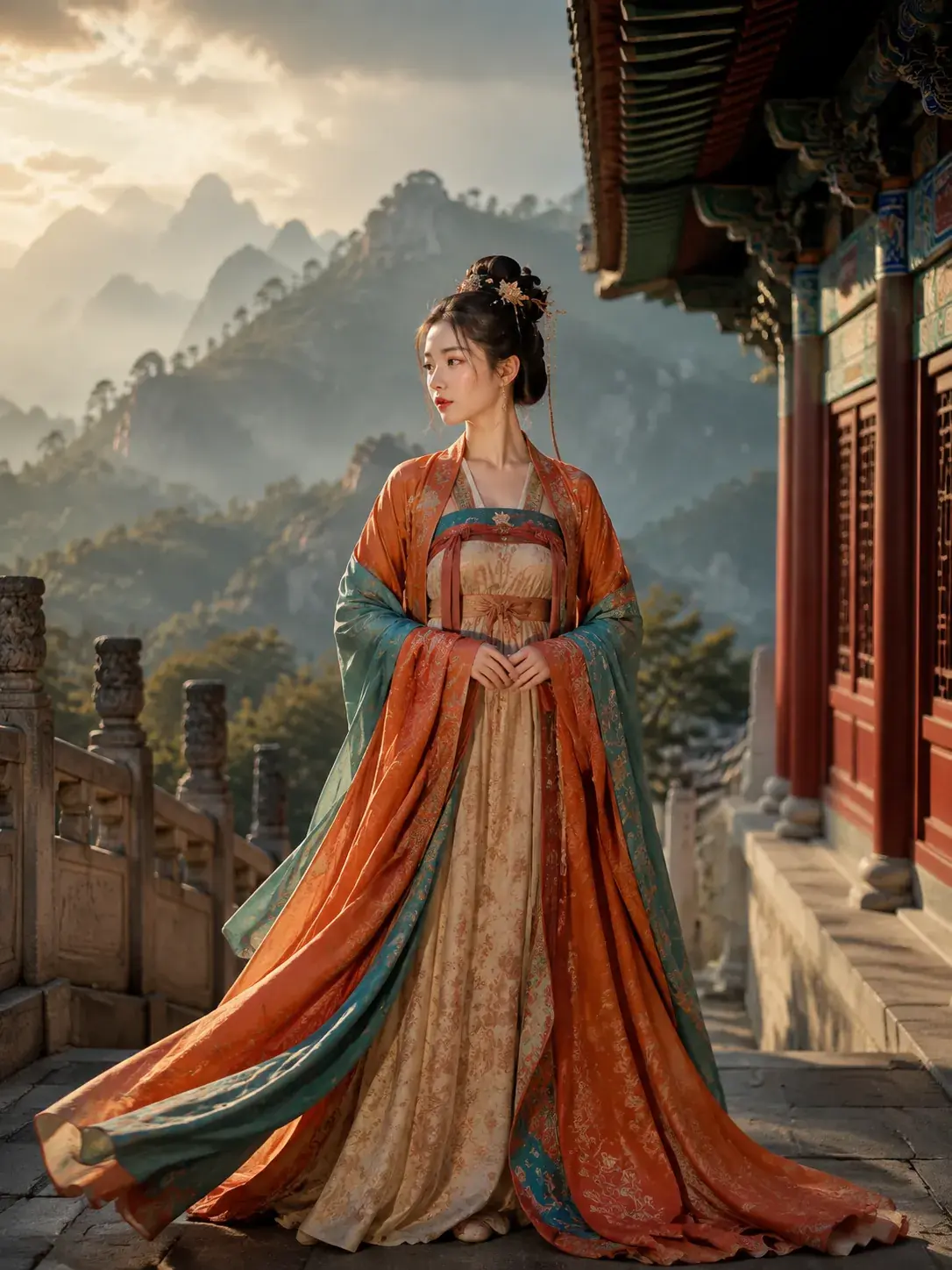 Photography
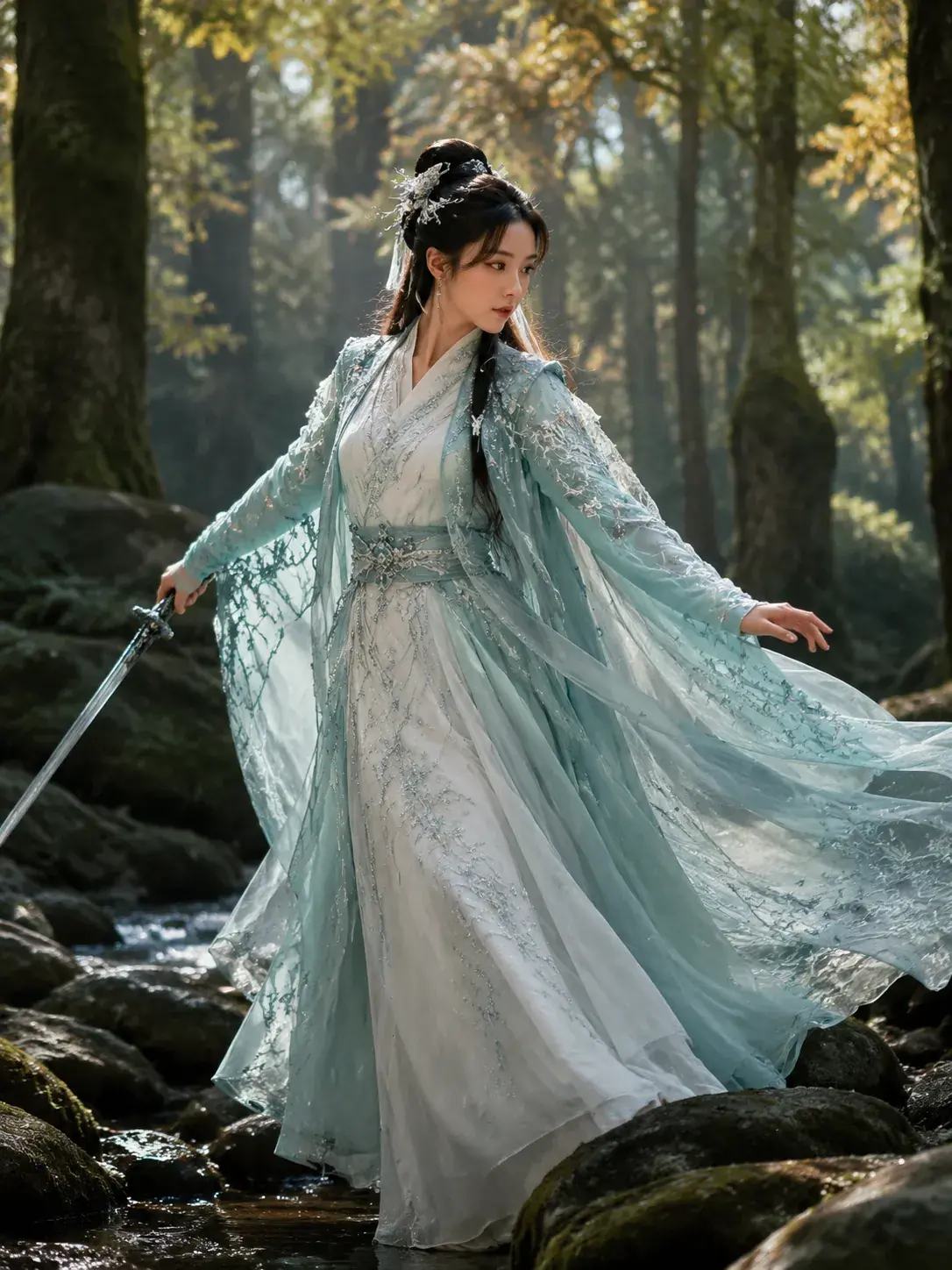 Cosplay
Hanfu vs Kimono, Qipao, Hanbok
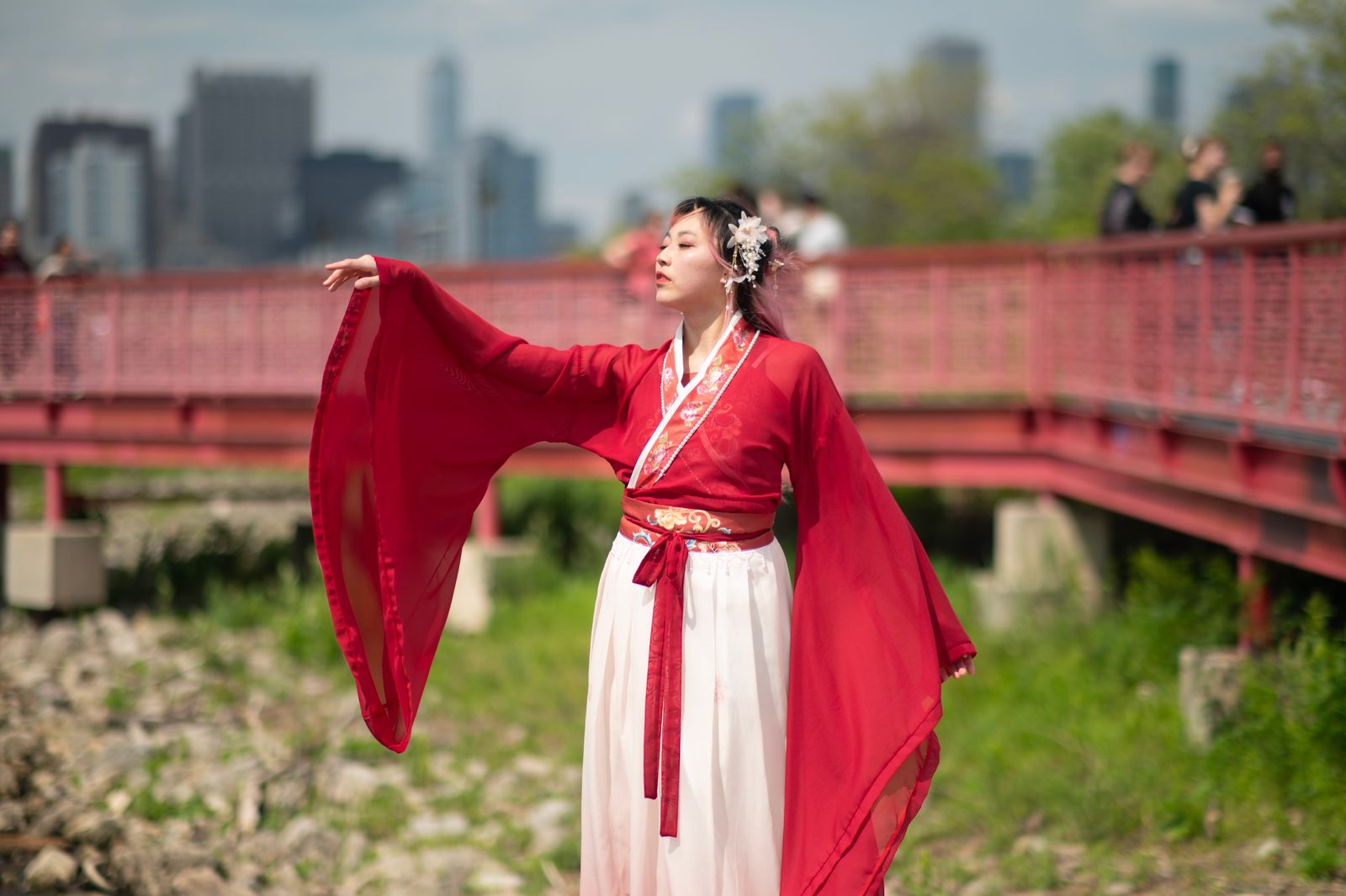
Hanfu vs Kimono
Older by 1,000+ years. Hanfu: sash-tied + cross-collar. Kimono: obi belt + rigid T-shape.
Hanfu vs Qipao
Loose, layered, pre-Qing. Qipao: fitted 1920s dress, Manchu + Western tailoring.
Hanfu vs Hanbok
Same Tang roots. Hanbok: fuller skirts + shorter jackets. That's how you tell them apart.
How to Wear Hanfu
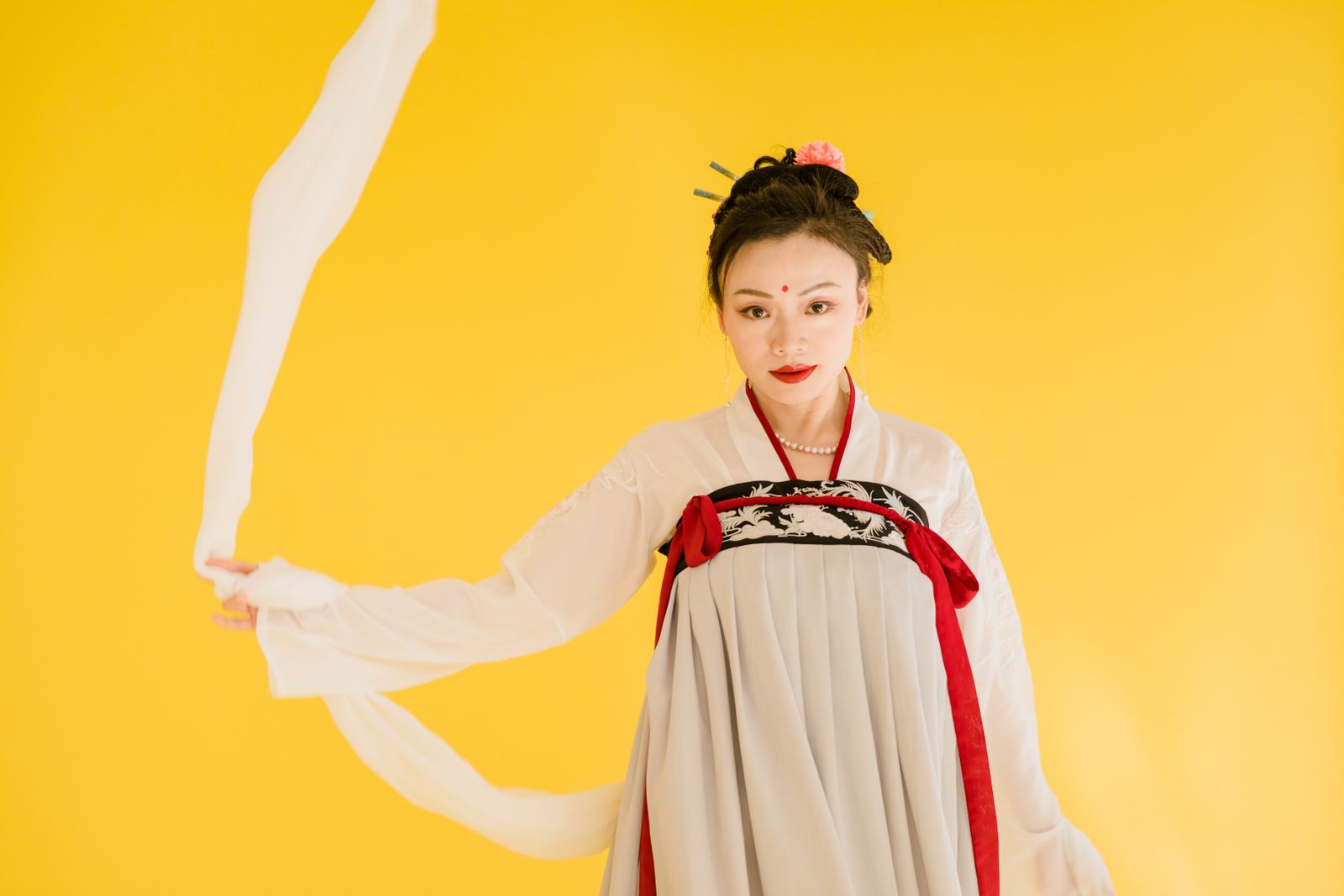
Five layers. Right over left. Sash it. Done.
Inner Layer (Zhongyi)
White cotton or silk base. Right over left.
Main Robe (Aoqun or Ruqun)
Aoqun or ruqun. Right over left, always.
Belt and Sash
Tie it at the waist. That's the silhouette.
Accessories
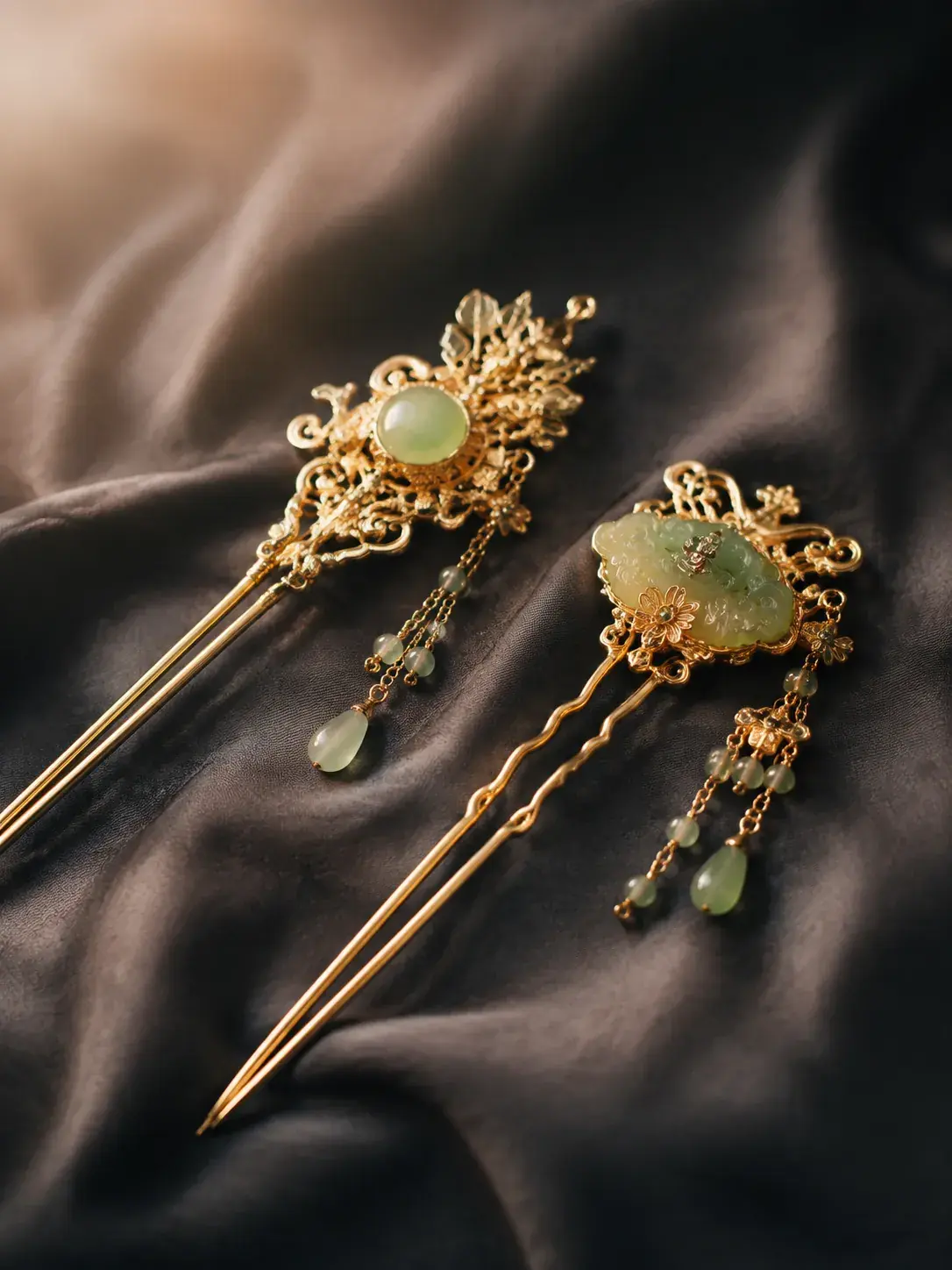
Hairpins, fans, jewelry. Match the dynasty.
Hair and Footwear
Updo + embroidered shoes. Crown for formal.
Hanfu Accessories
Hairpins, fans, shoes, and sashes — the finishing touches that complete the look.
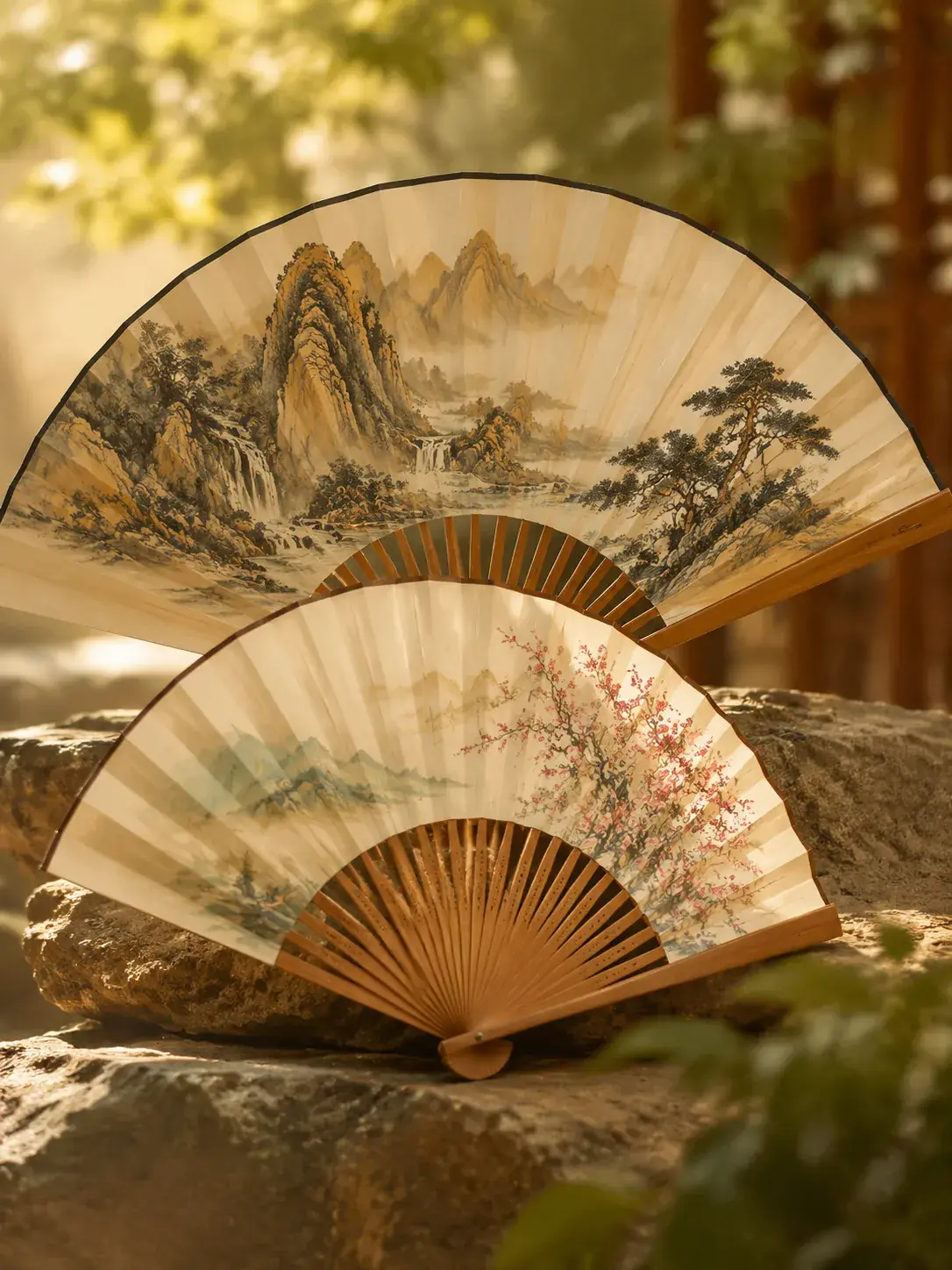
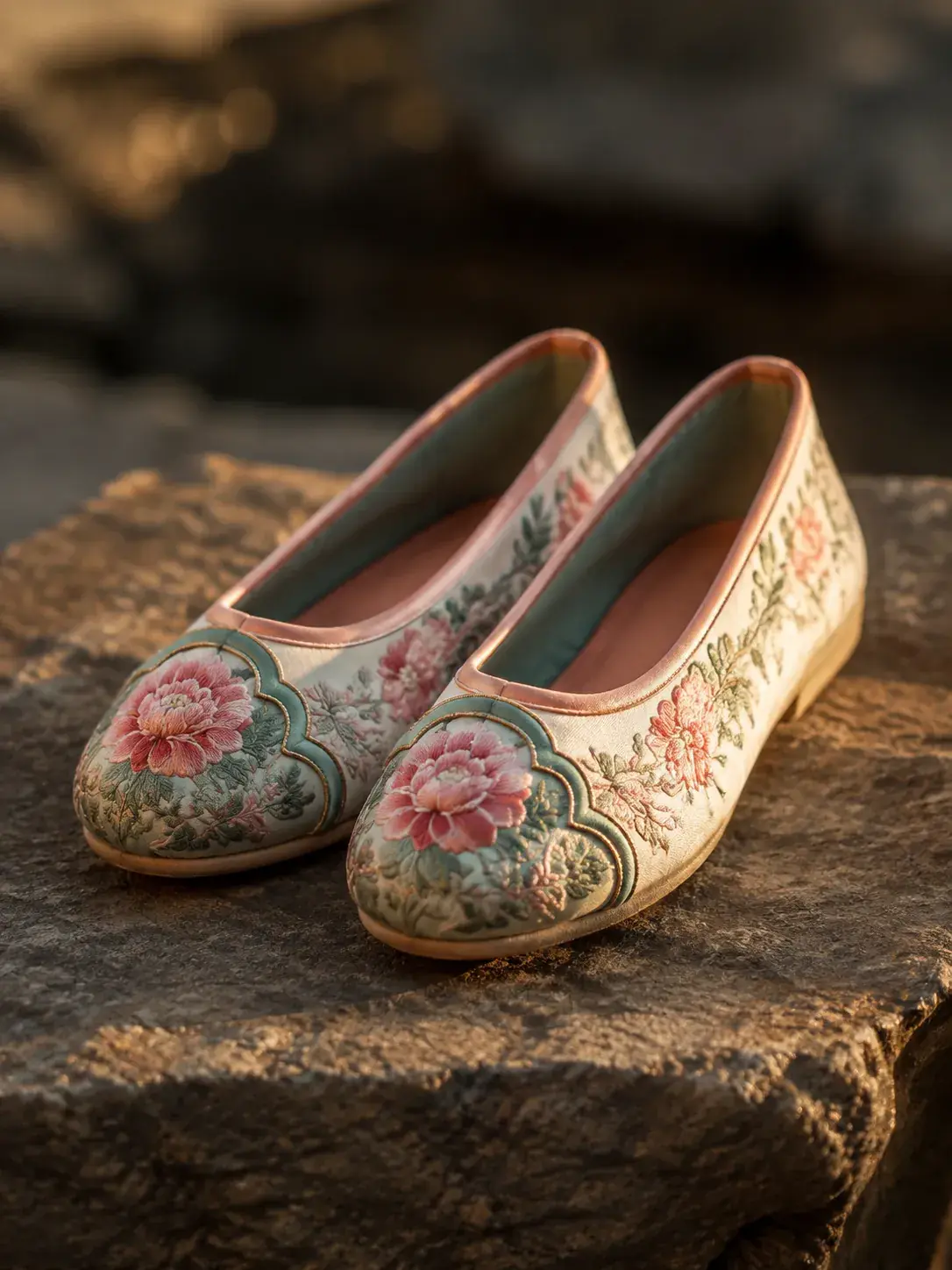
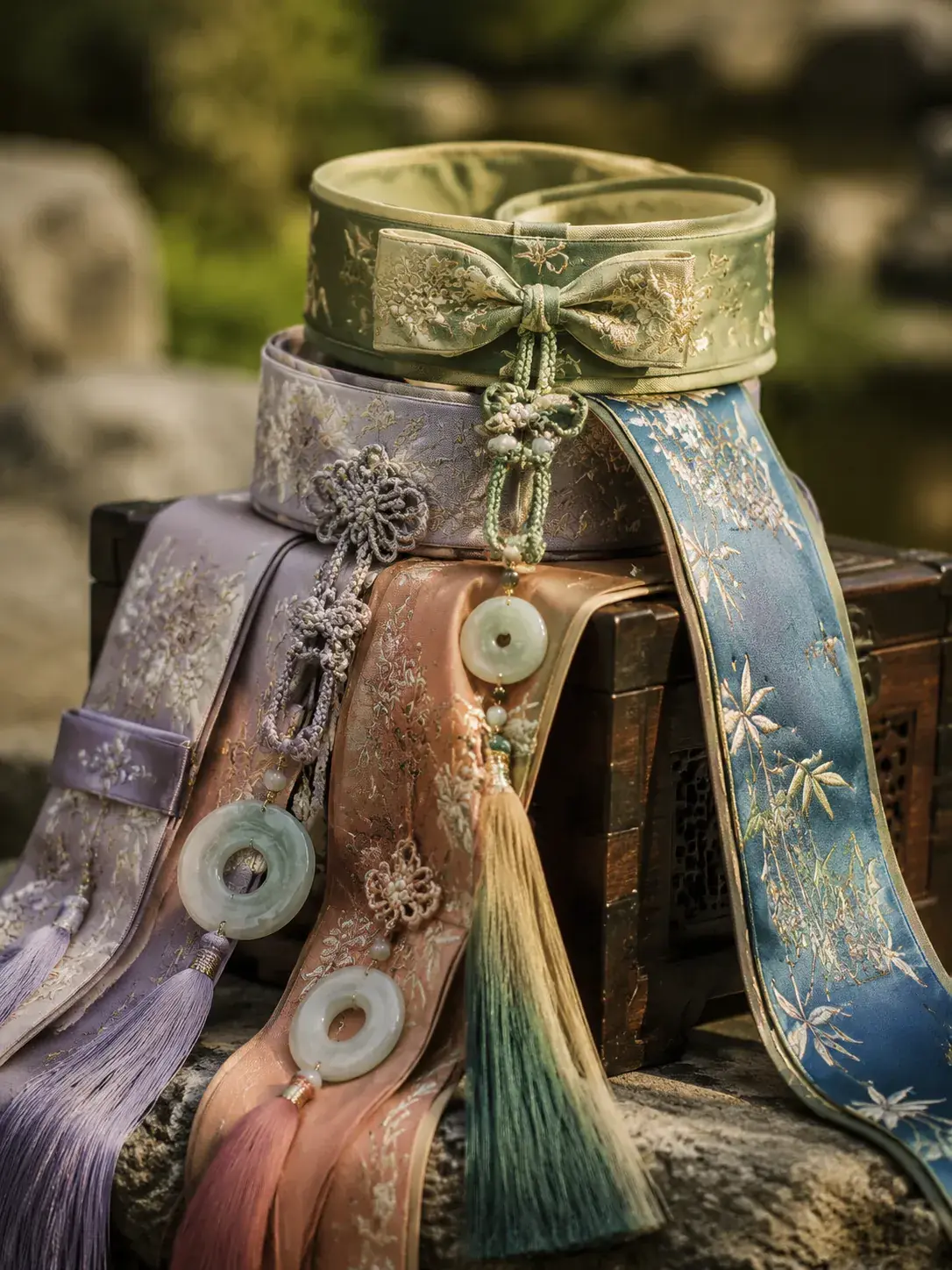
Hanfu City Guide: Where to Go
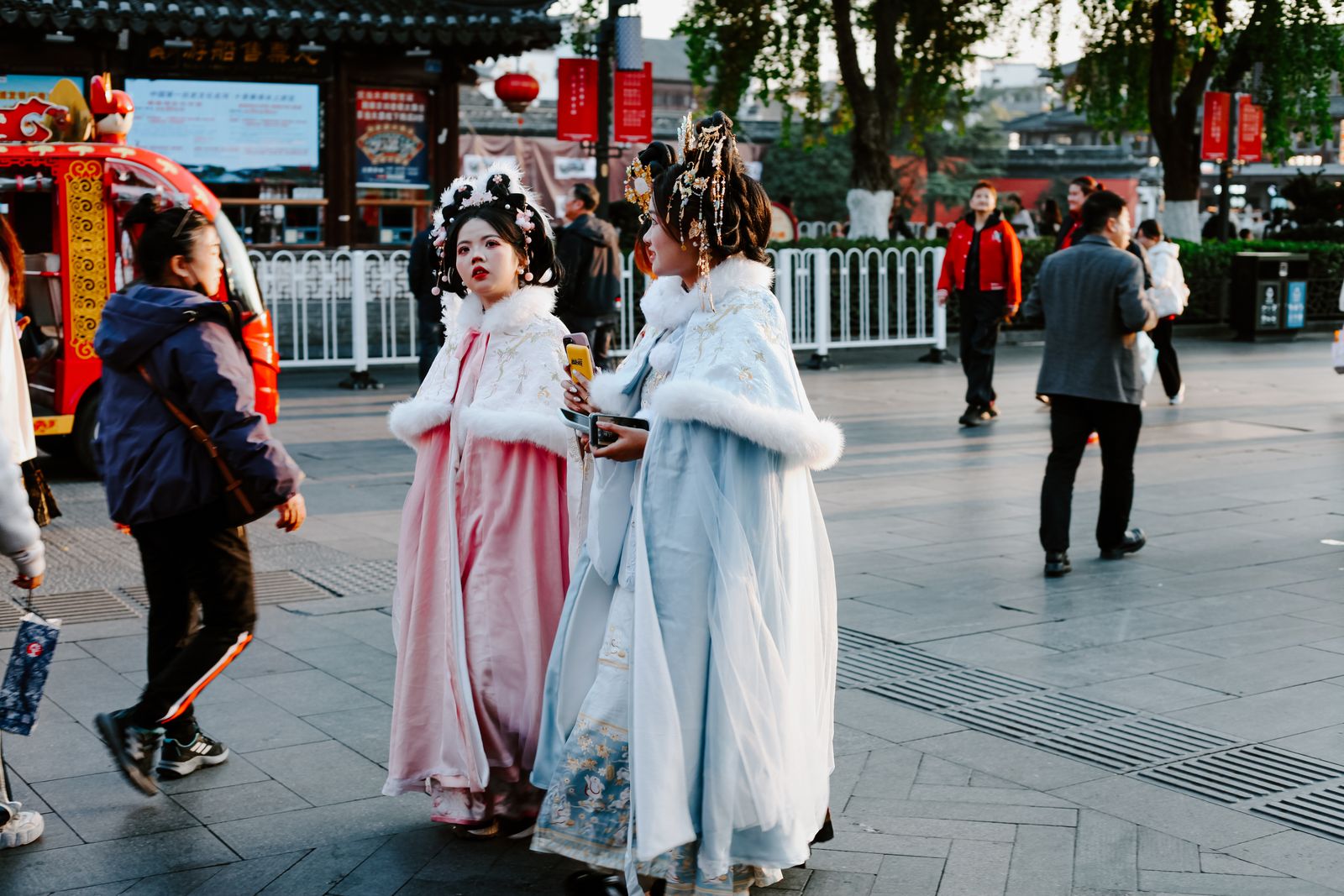
Six cities. Six moods. Rentals ~60–350 RMB/day.
Xi'an 100–200
City Wall + Tang Paradise. Shop near the South Gate. Sunset = magic.
Hangzhou 150–300
West Lake. Mist, bridges, cherry blossoms. The most-photographed spot.
Beijing 150–350
Forbidden City + Summer Palace. Snowy Hanfu shots need thermals.
Suzhou 120–250
Classical gardens. Fewer crowds. Silk capital — buy accessories here.
Chengdu 80–200
Jinli + Kuanzhai lanes. Young scene, pandas nearby. Add hotpot.
Luoyang 60–150
Buddhist grottoes. Cheapest. Least crowded.
Where to Get Hanfu
Two paths: buy online, or rent on arrival.
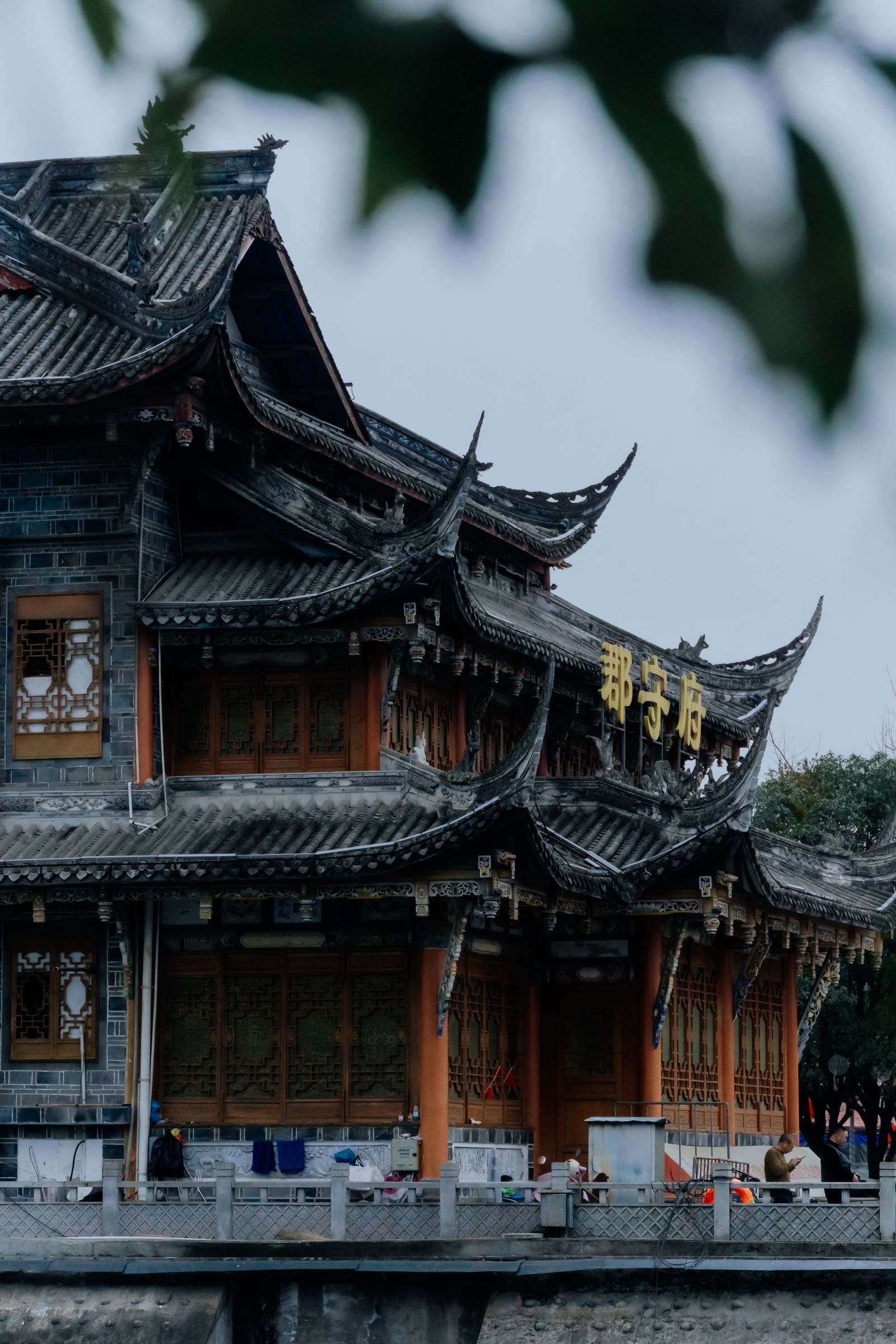
Buy it online. Or rent in China.
Two ways to get Hanfu. Prices below are all-in — no surprises.
Buy Online Before Your Trip
Editor's Picks
Hanfu Story, NewMoonDance, Nuwa Hanfu — ships worldwide in 2–4 weeks.
Budget-Friendly (Under $100)
Etsy, AliExpress, Taobao — 2–6 week delivery. Read reviews first.
Premium & Custom-Made
Silk, hand-embroidered, made-to-measure. Plan 2–6 months.
What Does It Cost?
Machine-washable cotton blends. Good first buy.
Better fabrics, real embroidery. Best value.
Pure silk, museum-grade. Heirloom pieces.
Rent at Your Destination
Rental Basics
100–300 RMB (~$14–42) / 24h, hairstyling included. Deposit 200–500 RMB + passport.
Photography Packages
300–800 RMB for 1–2 hrs, 20–50 edited photos in 24h. Book ahead in spring/autumn.
Hanfu Size Guide: Western to Chinese Size Converter
Chinese sizing runs 1 to 2 sizes smaller than US/UK. Enter your measurements below to find your Hanfu size instantly.
Enter your measurements and click "Find My Hanfu Size" to see your Chinese size match.
Quick Reference: Western to Chinese Hanfu Sizes
| US/UK | Bust (cm) | Waist (cm) | Hips (cm) | Height (cm) | Chinese Size | Notes |
|---|---|---|---|---|---|---|
| XS / 0-2 | 78-82 | 60-64 | 84-88 | 155-160 | S | Often labeled as M in China |
| S / 4-6 | 82-86 | 64-68 | 88-92 | 160-165 | M | Most common rental size |
| M / 8-10 | 86-92 | 68-74 | 92-98 | 165-170 | L | Go up one for fitted styles |
| L / 12-14 | 92-100 | 74-82 | 98-106 | 170-175 | XL | Check sleeve length |
| XL / 16-18 | 100-108 | 82-90 | 106-114 | 175-180 | 2XL | Custom sizing recommended |
Hanfu uses sash-and-tie closures, so waist and bust have some flexibility. Shoulder and sleeve measurements are fixed — always check the seller is chart.
Hanfu Knowledge Library
History, fabrics, sizing, care, and etiquette — with real guide pages to dive into.
Frequently Asked Questions
Quick answers to the questions we hear most.
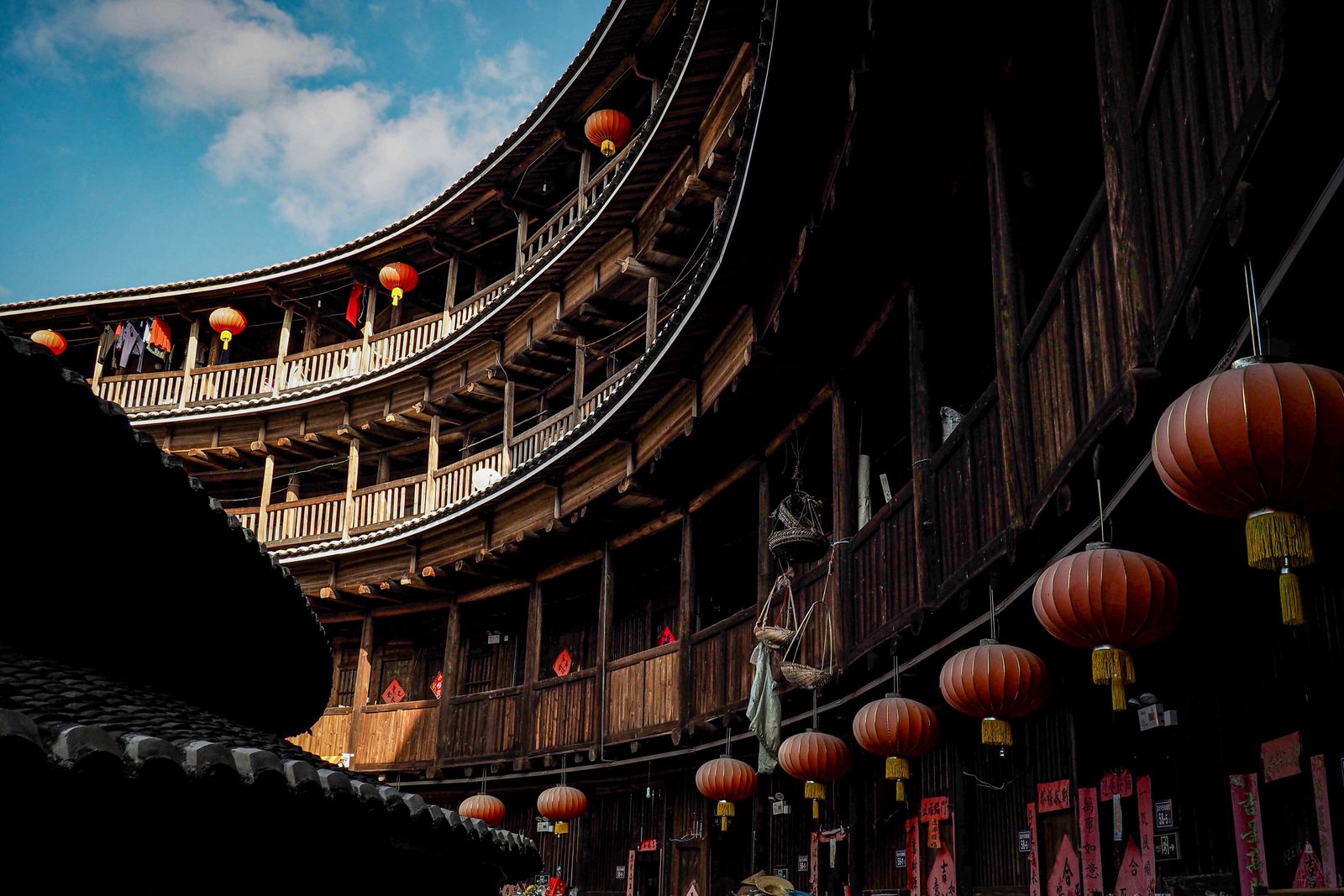
What is a Hanfu dress?
Hanfu is the traditional clothing of the Han Chinese people, characterized by cross-collars, wide sleeves, and flowing robes layered with sashes. It spans over 3,000 years of history and is experiencing a global revival among enthusiasts of all backgrounds.
Can foreigners wear Hanfu?
Absolutely. Hanfu is meant to be shared and appreciated. Many Hanfu communities worldwide welcome enthusiasts of all backgrounds, and cultural appreciation is encouraged when done respectfully.
Is Hanfu different from a kimono?
Yes. Hanfu predates the kimono by centuries, using cross-collar wrapping and sash-secured robes with flowing sleeves. Kimonos feature a wide obi belt, T-shaped rectangular construction, and a more rigid silhouette.
What dynasty is Hanfu from?
Hanfu originates from the Han Dynasty (206 BCE--220 CE), but the term broadly covers traditional Han Chinese clothing from the Yellow Emperor era through the Ming Dynasty (1644 CE). Each dynasty developed distinct styles.
How much does Hanfu cost?
Entry-level Hanfu starts around $40-80 USD for simple cotton pieces. Mid-range sets range from $100-300 USD. Premium custom-made, historically accurate silk Hanfu can cost $500-2,000+ USD depending on craftsmanship.
Can Hanfu be worn daily?
Modern Hanfu (xin hanfu) is designed for everyday wear with simplified construction, comfortable breathable fabrics, and practical silhouettes. Traditional ceremonial Hanfu is better suited for festivals, weddings, and special occasions.
Where can I buy authentic Hanfu?
Reputable sellers include Hanfu Story, NewMoonDance, Nuwa Hanfu, and curated Etsy shops. Always check reviews, material composition, and size charts before purchasing. For authentic Chinese sellers, Taobao and Xianyu offer the widest selection.
What size Hanfu should I get?
Hanfu sizing follows Chinese measurements, which often run smaller than Western sizes. Always measure your bust, waist, hips, and height, then consult the seller's specific size chart. Many Hanfu pieces are adjustable thanks to sash-and-tie construction.
How do I wash Hanfu?
Silk Hanfu should be hand-washed in cold water with mild detergent or dry cleaned. Cotton and polyester-blend Hanfu can usually be machine-washed on a gentle cycle in a mesh bag. Always air dry flat and iron on low heat.
What accessories go with Hanfu?
Traditional accessories include hairpins (zan), jade pendants, decorative fans, embroidered sachets, tassels, and waist ornaments. The choice depends on the dynasty style, occasion, and season. For formal events, hair crowns complete the look.
Is Hanfu comfortable?
Yes, Hanfu is known for its comfort. The loose, flowing cuts allow freedom of movement, and natural fabrics like cotton, linen, and silk breathe well in warm weather. Modern Hanfu often uses lightweight, wrinkle-resistant blends.
What is the difference between Hanfu and Qipao?
Hanfu is loose-fitting, layered, and has roots stretching back thousands of years. Qipao (cheongsam) is a form-fitting, 20th-century dress originating in 1920s Shanghai, influenced by Manchu qizhuang clothing and Western tailoring techniques.
Can I wear Hanfu to a wedding?
Absolutely, Hanfu is becoming increasingly popular for weddings, both in China and internationally. Red is the traditional bridal color symbolizing joy and prosperity. Many couples now opt for Tang or Ming dynasty-style wedding Hanfu.
What shoes to wear with Hanfu?
Traditional embroidered cloth shoes with flat or low heels are the standard choice. For casual modern Hanfu, simple flats or neutral-toned sneakers can work. Historical reenactors often wear specific period footwear like cloud-head shoes.
How to choose your first Hanfu?
Start with a simple modern Hanfu (xin hanfu) in cotton or linen for everyday wear. Choose a versatile color like navy, black, or soft pastel. The Ming dynasty style is beginner-friendly because of its structured cuts and adjustable waist ties.
Is Hanfu unisex?
Historically, Hanfu had distinct men's and women's styles, but many modern designs are gender-inclusive. Men's Hanfu typically features straighter cuts and darker colors, while women's styles are more flowing with brighter colors and embroidery.
What is modern Hanfu?
Modern Hanfu (xin hanfu or "new Hanfu") adapts traditional Hanfu elements for contemporary life. It uses simplified cuts, machine-washable fabrics, and practical silhouettes that work with modern accessories while retaining the cross-collar and layered aesthetic.
Why is Hanfu popular again?
The Hanfu revival movement began in the early 2000s among young Chinese people seeking to reconnect with pre-Qing cultural heritage. Social media, costume dramas, and a growing global interest in traditional crafts have made Hanfu an international phenomenon.
What fabric is Hanfu made of?
Historically, Hanfu was made from silk, ramie (a type of linen), and hemp. Modern Hanfu uses silk for premium pieces, cotton and linen for everyday wear, and polyester blends for affordable, easy-care options. Brocade and gauze are popular for decorative layers.
Can kids wear Hanfu?
Yes, children's Hanfu is widely available and popular for festivals, photo shoots, and cultural events. Kids' styles are often simplified with elastic waists and softer fabrics for comfort and ease of movement. Many families enjoy matching parent-child Hanfu sets.
Can I rent Hanfu when visiting China?
Yes, Hanfu rental shops are common in major tourist cities like Xi'an, Hangzhou, Beijing, Suzhou, Chengdu, and Luoyang. Rentals cost 100-300 RMB ($14-42 USD) per day and often include basic hairstyling. Many shops near scenic areas also offer full photography packages (300-800 RMB) with edited photos delivered within 24 hours.
Where are the best places to photograph Hanfu in China?
Top spots: Forbidden City and Summer Palace (Beijing), West Lake (Hangzhou), Ancient City Wall and Tang Paradise (Xi'an), Humble Administrator's Garden (Suzhou), Dali Ancient Town (Yunnan), and the Longmen Grottoes area (Luoyang). Visit early morning for the best lighting and minimum crowds.
What season is best for wearing Hanfu?
Spring (March to May) and autumn (September to November) are ideal. Summer Hanfu should be lightweight cotton or linen; avoid heavy silk in hot weather. Winter Hanfu photography in northern cities requires thermal underlayers, but snowy scenes in Hangzhou or Harbin can be spectacular with the right preparation.
Sources & Further Reading
Quoted above: Kong Yingda's commentary on the Zuo Zhuan (the origin of “Huaxia”) and the Analects XIV (the right-over-left collar rule). Historical facts and dynasty timelines are cross-checked against museum and encyclopedic references:
- 1. Zuo Zhuan & The Analects — primary classical sources quoted above.
- 2. Wikipedia — Hanfu: dynasty overview and revival timeline.
- 3. China National Silk Museum (Hangzhou): textile and fabric research.
- 4. The Palace Museum (Beijing): Ming and Qing court dress collections.